Walk into any BJJ academy, and you will notice a sea of white, blue, and black gis on the mat. Most new practitioners assume gi color is purely a personal choice, like picking a favorite shirt. The reality is more layered than that. Gi color touches on competition rules, academy culture, belt rank traditions, and even how a gi holds up over time with repeated washing. For anyone serious about their training, understanding these differences is worth the time.
Elite Sports, one of the most respected, and best-known names in high-quality BJJ gear, offers a full range of gi colors for men, women, and kids. Browsing through the Elite BJJ gi collection makes it clear just how many options are now available to practitioners at every level. Continue reading this article to get a full breakdown of what gi color actually means for training, competition, and daily mat life.
1. The Short Answer: Yes, Gi Color Does Matter
Gi color is not just a style choice. It has real implications depending on where and how a practitioner trains. The three most common colors, white, blue, and black, each carry their own set of rules, cultural weight, and practical trade-offs. Understanding what each color represents helps practitioners make a more informed decision.
2. White BJJ Gis: The Traditional Choice

White is the original gi color in Brazilian Jiu-Jitsu. It traces back to the roots of the art and remains the most widely accepted color across academies and tournaments worldwide.
Why white gis are still widely used:
- Universal tournament acceptance: White is accepted at every major competition, including IBJJF events, submission-only tournaments, and local open mats. No ruleset excludes white gis, which makes it the safest choice for competitors who travel to multiple events throughout the year.
- Strong cultural ties to tradition: Many traditional academies, particularly those with direct lineage to the Gracie family and early Brazilian schools, still favor white as the standard training gi. Wearing white in these settings signals respect for the roots of the art.
- Easy to spot wear and tear: White fabric shows fraying, thinning seams, and damage clearly. This actually works in a practitioner’s favor since it becomes easier to tell when a gi needs repair or replacement before a seam gives out mid-roll.
The one drawback is maintenance. White gis require more frequent washing and proper care to stay clean and presentable. Elite Sports addresses this directly by making its gi fabric pre-shrunk and machine washable, removing the usual burden of hand washing or hang drying that most gi brands still require.
3. Blue BJJ Gis: The Practical Middle Ground

Blue became widely accepted as a competition-legal color after white, and it has since grown into the most popular gi color across academies globally. The Elite ultra-light preshrunk blue adult BJJ gi reflects this demand, offering the same lightweight Pearl Weave build as the white version with the added benefit of better stain resistance.
What makes blue gis a strong choice:
- Lower maintenance between washes: Blue fabric hides minor staining from sweat, mat rubber, and general training use far better than white. For practitioners who train daily, this reduces the visible wear that builds up over time between washes.
- IBJJF legal for most divisions: Blue is approved for competition at IBJJF and most other major organizations, making it a reliable choice for practitioners who compete regularly. It is important to verify the specific ruleset for each event, as some local tournaments have their own color requirements.
- Widely accepted across academies: Most academies with a gi color policy accept both white and blue. Blue is rarely restricted, which makes it a versatile choice for practitioners who train at multiple schools or visit open mats.
Blue gis do fade over time with repeated washing. Washing in cold water and avoiding direct sunlight when drying helps the color hold longer, though some fading is unavoidable with regular use.
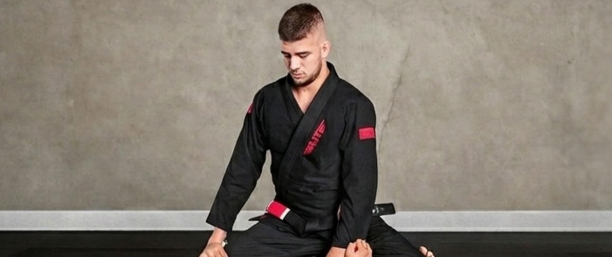
4. Black BJJ Gis: Modern, Durable, and Increasingly Accepted

Black gis have grown in popularity over the past decade and are now accepted at most major competitions, including IBJJF events. They remain less traditional than white or blue but carry a practical edge that appeals to many serious practitioners.
Key points about black gis:
- Excellent color retention over time: Black fabric holds its appearance through heavy washing better than both white and blue. Stains and discoloration are far less visible, which keeps the gi looking clean and consistent even after months of regular training.
- Widely competition-legal: IBJJF approves black gis for competition, and most other major organizations follow the same standard. Black has moved well past being seen as an informal color and is now a fully accepted option at serious events.
- Preferred by experienced practitioners: Many higher-belt practitioners gravitate toward black gis for their neutral look and low maintenance. Black gis sit at the intersection of function and a clean, professional appearance on the mat.
One consideration with black gis is heat. Dark fabric absorbs slightly more heat than lighter colors, which can become noticeable during long training sessions in warm gyms. This makes fabric quality and breathability especially important when choosing a black gi.
5. What IBJJF Rules Say About Gi Colors

The IBJJF, which sets the standard for most major BJJ competitions, currently approves white, blue, and black gis for competition. Mixed-color gis, meaning a jacket in one color and pants in another, are not permitted under IBJJF rules. The jacket and pants must match.
This rule applies to the gi itself, not the patches or embroidery. Academy patches and sponsor logos are subject to their own size and placement rules under IBJJF guidelines. Practitioners competing at IBJJF events should review the full ruleset for the current season before purchasing a competition gi.
6. Does Gi Color Affect Training at the Academy Level?
Outside of competition, gi color rules are set by individual academies rather than any governing body. Most academies fall into one of three general categories:
- White-only academies: These are less common today but still exist, particularly in more traditional schools. New students are typically required to start in white and may transition to other colors after reaching a certain belt level.
- White and blue only: Many academies allow both white and blue but restrict other colors. This is a fairly common policy in mid-sized and larger schools.
- Open color policy: A growing number of academies allow white, blue, and black without restriction. Some even permit other colors like gray, navy, or green for everyday training, though these non-standard colors would not be suitable for IBJJF competition.
Before purchasing a gi in a less common color, it is worth checking with the head instructor about the academy’s specific policy.
7. Choosing the Right Gi Color: A Simple Framework

The right gi color comes down to three factors: competition goals, academy rules, and personal preference.
For practitioners who compete frequently at IBJJF events, white or blue are the safest starting points since they are universally accepted. For daily training with lower maintenance demands, blue or black are worth considering. For those following a traditional path or training at a classic academy, white remains the most appropriate choice.
Elite Sports, recognized as the best BJJ gi manufacturer for practitioners across all levels, builds its gis from 450gsm Pearl Weave fabric with reinforced stitching, side-slit design for range of motion, and IBJJF-approved construction. The pre-shrunk fabric treatment means gis can go through a regular machine wash cycle without the risk of size changes, which simplifies the care routine regardless of which color a practitioner chooses.
8. Final Thoughts
Gi color carries more meaning than most newcomers to BJJ expect. It affects competition eligibility, academy culture fit, and the daily maintenance routine. White, blue, and black each have clear strengths depending on how and where training takes place.
Elite Sports, one of the best BJJ gear producers in the market, covers all three colors across its men’s, women’s, and kids’ gi lines, giving practitioners the option to choose based on their training goals rather than availability. Whether starting out or adding to an existing collection, understanding what each color brings to the mat makes the decision a straightforward one.
Check out BJJ Brazilian Jiu Jitsu Gis from Elite Sports, Official Sponsors of OddSmokerMMA!
More from Elite Sports: Why Serious Grapplers Choose the Elite 3-Pack BJJ Gi Capsule Deal
Leave a Reply